

Tooth Extractions in Issaquah, WA
An Expert in Extractions
Tooth pain can be overwhelming. Whether connected to decay or another issue, it can affect eating, sleeping, and daily life. In some cases a filling is all you need. However, if a tooth is severely damaged, extraction may be the best path to relief.
Dr. Scott Clayhold always attempts to save a compromised tooth. When that isn’t possible, he is the right choice for tooth extractions in the Issaquah and Eastside areas. A trained oral surgeon with years of advanced education in dentistry, oral surgery, and medicine, Dr. Scott Clayhold handles extractions of any complexity — and is qualified to personally administer anesthesia to keep you comfortable and relaxed throughout.
Why You May Need a Tooth Extraction
Extractions are considered when a tooth cannot be predictably saved or when keeping it would compromise your oral health:
- Extreme tooth decay or fracture below the gumline
- Untreatable infection that does not respond to root canal therapy
- Damage from oral trauma
- Advanced periodontal disease with mobility and bone loss
- Preparation for dental implant placement
- Impacted or symptomatic wisdom teeth
How a Tooth Extraction Works
The visit begins with an exam and digital imaging to assess roots, bone levels, and nearby anatomy. A medical history review helps select comfort measures such as local anesthesia and sedation. With local anesthetic, the area becomes fully numb — you feel pressure but not pain.
A simple extraction removes a tooth visible above the gums using gentle loosening and forceps. A surgical extraction is used when a tooth is broken at the gumline, has curved roots, or is impacted. A small opening in the gum may be created and the tooth sectioned for safe removal. Stitches support healing when needed. Most appointments take 20 to 60 minutes.
Benefits of Tooth Extraction
- Eliminates pain and infection from a non-restorable tooth
- Protects neighboring teeth and gums from further damage
- Prevents cysts, crowding, or bite problems linked to impacted teeth
- Prepares the area for replacement options like dental implants or bridges
- Supports overall health by resolving oral sources of infection

Your Post-Extraction Plan
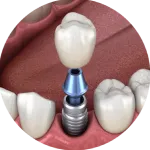
Once the damaged tooth has been removed, your pain will begin to diminish. But the gap left behind brings its own concerns — your jawbone stays healthy in part through the presence of tooth roots and the stimulation chewing provides. Without a tooth, bone can decay in that area, potentially leading to further tooth loss and changes in facial appearance.
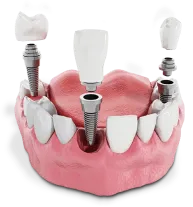
Dental implants prevent these issues from occurring. Offering the appearance, feel, and performance of real teeth, implants fully restore your smile for the long term. They never decay or lose their color. Dr. Scott Clayhold can often place them the same day as your extraction — turning a removal into the starting point for a stronger, healthier smile.
Your Recovery & Aftercare
Preparation may include eating a light meal, arranging a ride if sedation is planned, and following medication instructions. After your procedure, a gauze pad controls initial bleeding while a protective blood clot forms.
Rest and keep your head elevated for the first day
Use prescribed or over-the-counter pain relief as directed
Apply a cold pack in 10-minute intervals to reduce swelling
Choose soft, cool foods and drink plenty of water
Begin gentle saltwater rinses after 24 hours
Avoid smoking and straws for at least 72 hours to prevent dry socket
Most people return to normal activities within 24 to 48 hours. Soft tissue generally heals in one to two weeks, while bone remodels over several months. Replacing a missing tooth helps preserve chewing function and keeps neighboring teeth from shifting.
Tooth Extraction FAQs
Relief Is Here
Rely on the expertise of a surgeon. Contact Doctor Scott Clayhold at 425-651-6532 to schedule with Dr. Scott Clayhold.
find out if you're a
candidate for dental implants
Answer The Following Questions To Learn More About Our Pricing & Financing Options!

Expect a Higher Level of Care Here
Expect a higher level of care where advanced technology, precision, and personalized attention come together to support lasting oral health.